Originally intended to simply focus on book reviews, over time, KaliDesautelsReads has morphed into its own entity.
I write about issues that are near to my heart, be they political, feminist, motherhood, mental health, or, as the title holds, books.
A thirty-something Canadian woman in my mid-thirties, I have been “super married” to my high school sweetheart since 2006, and together we have two crazy, clever, kind, hilarious, wonderful kids.
My first book – How Not To Blog: Finding Myself, One Post at a Time is available on Amazon (in eBook formats for you clever tech readers, and paperback for those of us who love that new book smell!)
I have tried a podcast – it’s still on Apple and Google Podcasts – but writing is where my heart is.
My life changed dramatically when my husband was diagnosed with Stage 3 cancer in 2018, and I am now a writer for a leading Canadian Cancer Non-Profit.
I am lucky enough to have a family that loves me and pushes me to be my best, even if it is outside of my cushiony comfort zone. I have a village of friends that nourish me, mentally, and spiritually.
Welcome to my thoughts. Sit down. Stay a while. Enjoy a cup of coffee!
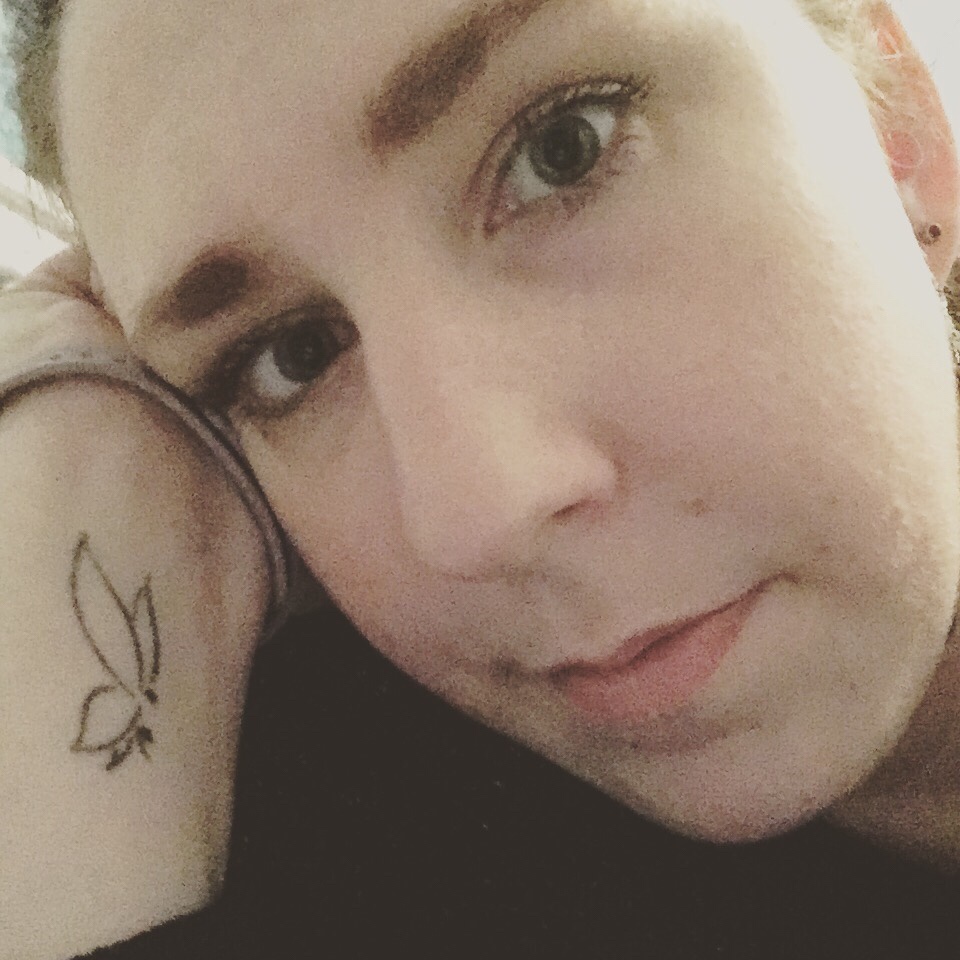
In Case You Missed It – #BellLetsTalk Day was yesterday, raising money and awareness for mental health. I wrote about my experience on my blog yesterday. Please check it out! #bellletstalk #mentalhealth #wellness #icymi via @RiplApp #blog #blogger #awareness #canada #reading #read #write #writing #writerscommunity #semicolontattoo #semicolonproject #butterfly #butterflytattoo #anxiety #depression #fibromyalgia #chronicillness #chronic #hashimotos #thyroid #hypothyroidism #kalidesautelsreads #kalidesautelswrites
Processing…
Success! You're on the list.
Whoops! There was an error and we couldn't process your subscription. Please reload the page and try again.
You know the old joke “how can you tell who is a marathoner/CrossFitter/vegan/new mom? Don’t worry, she’ll tell you”? It gets chuckles and eye rolls and sometimes a nod of acknowledgement. Why? Because there is no shame/stigma/humiliation attached to being a marathoner/CrossFitter/vegan/new mom. These are things everyone feels comfortable sharing, and whether we appreciate the accomplishment, or not, we do not feel uncomfortable being told.
Have you ever heard the one “how can you tell who is suffering from mental illness? Don’t worry, she’ll tell you!”? I haven’t, and I can tell you why – because not producing the correct amount of serotonin is seen as a failing. We are embarrassed, we are scared to share, we hide it from the world. Which is funny, in its own way, because, honestly? Can anyone “control” how much or how little hormone of any sort is released into any part of their body? Do you mentally determine how much melatonin you will naturally secrete at bedtime? Do you plan for your dopamine to surge? Have you ever sat at your desk and arbitrarily selected to release a certain dose of adrenaline? If so, congratulations!! You are a medical miracle!! If not, then does that make you a failure?
I don’t think so. Just like I do not think that needing medication to allow my body to function is a failure. The day when a mentally ill person can say “I can’t come because my anxiety will not let me leave my house”, the same way that a person with the flu can say “I can’t come, because I have the flu”, without fear of isolation, humiliation, or stigmatization, will be a fantastic one.
You would be amazed how much talking about it can help. #BellLetsTalk #semicolontattoo #semicolonproject #mentalhealth #mentalhealthawareness #survivor #survive #thrive #tattoo #depression #anxiety #speak #support #love #kalidesautelsreads #kalidesautelswrites #blog #blogger
Motivation Monday – it is never too late to try. Don’t give up your dream because you haven’t gotten there yet. Now‘s as good a time as any.
Right about now, many of us a quickly scrolling past gym appointments that we meticulously logged on January 1st. Skittles are creeping back into the pantry. We are finding ourselves “too cold/too late/too tired” to park at the far end of the parking lot. The book that we were going to start writing has yet to be outlined. That’s right, it is almost a full month since we made our resolutions for 2018.
But who cares if we have not stuck to our resolutions?? Who cares if we are a few weeks behind? Who cares that we missed the sign up for the dance class we planned to try?? Does that mean we have to throw away our goals for the next 11 months?? Does it mean we shake our heads, fully slip back into old patterns and give up? No!!
New Year’s Day is an arbitrary beginning. What is the difference, in the grand scheme of things between January 1st and March 1st? January 1st and January 31st? Nothing! There is not a fracking difference, and thereby, I arbitrarily declare that those of us who have not fallen head first in love with our New Year’s resolutions will begin today. Because today is as good a day as any to try!!
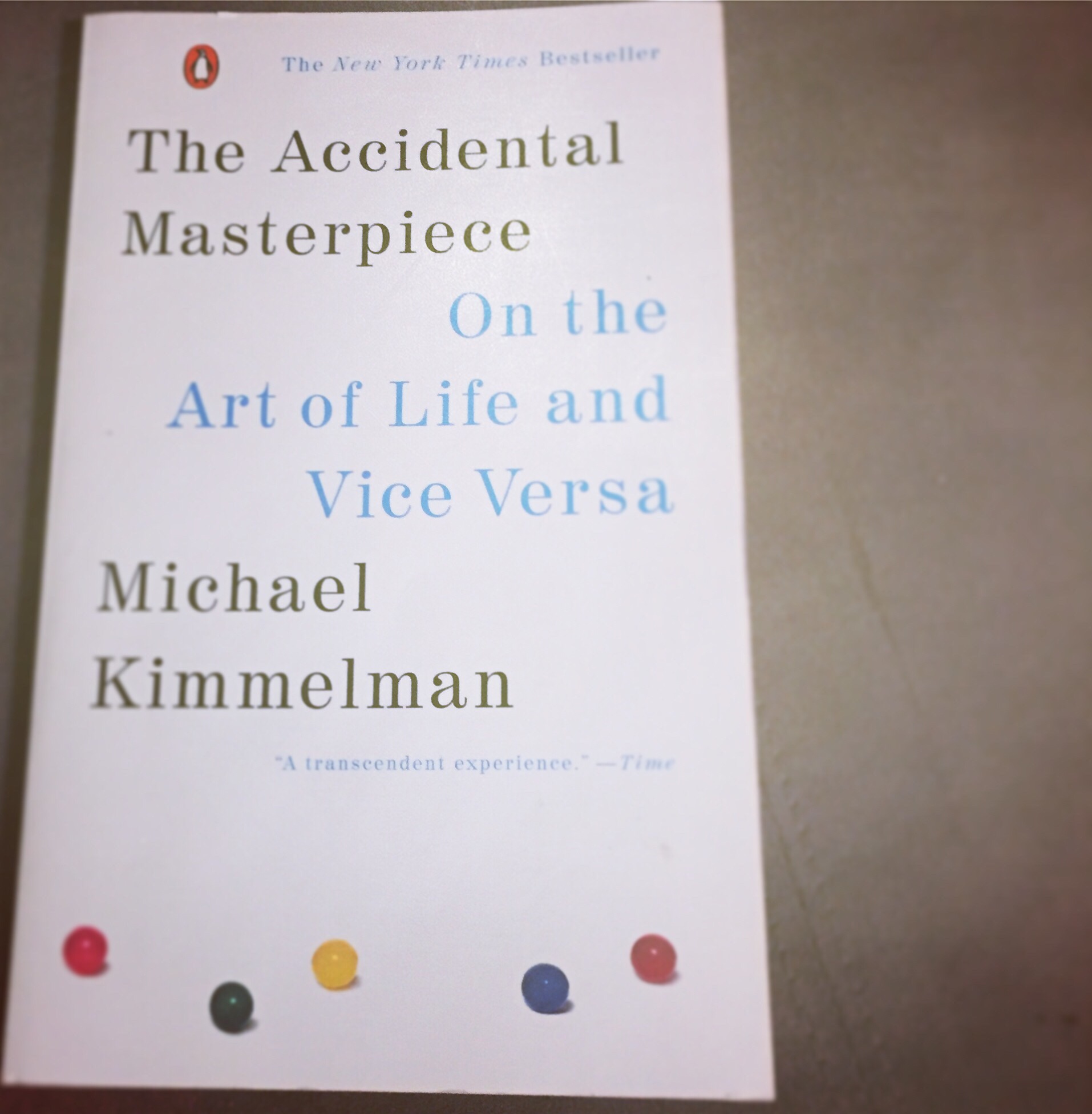
Up next on my reading list – The Accidental Masterpiece: On the Art of Life and Vice Versa ~ Michael Kimmelman (2005)
I am looking forward to this book, although, to be honest, I have no idea what it is about and picked it up for its cover. (Yep, I consistently judge a book by its cover!)
Where have I been? I have been hibernating. I have been curling into myself. I have been napping. I have been working. I have been hiding.
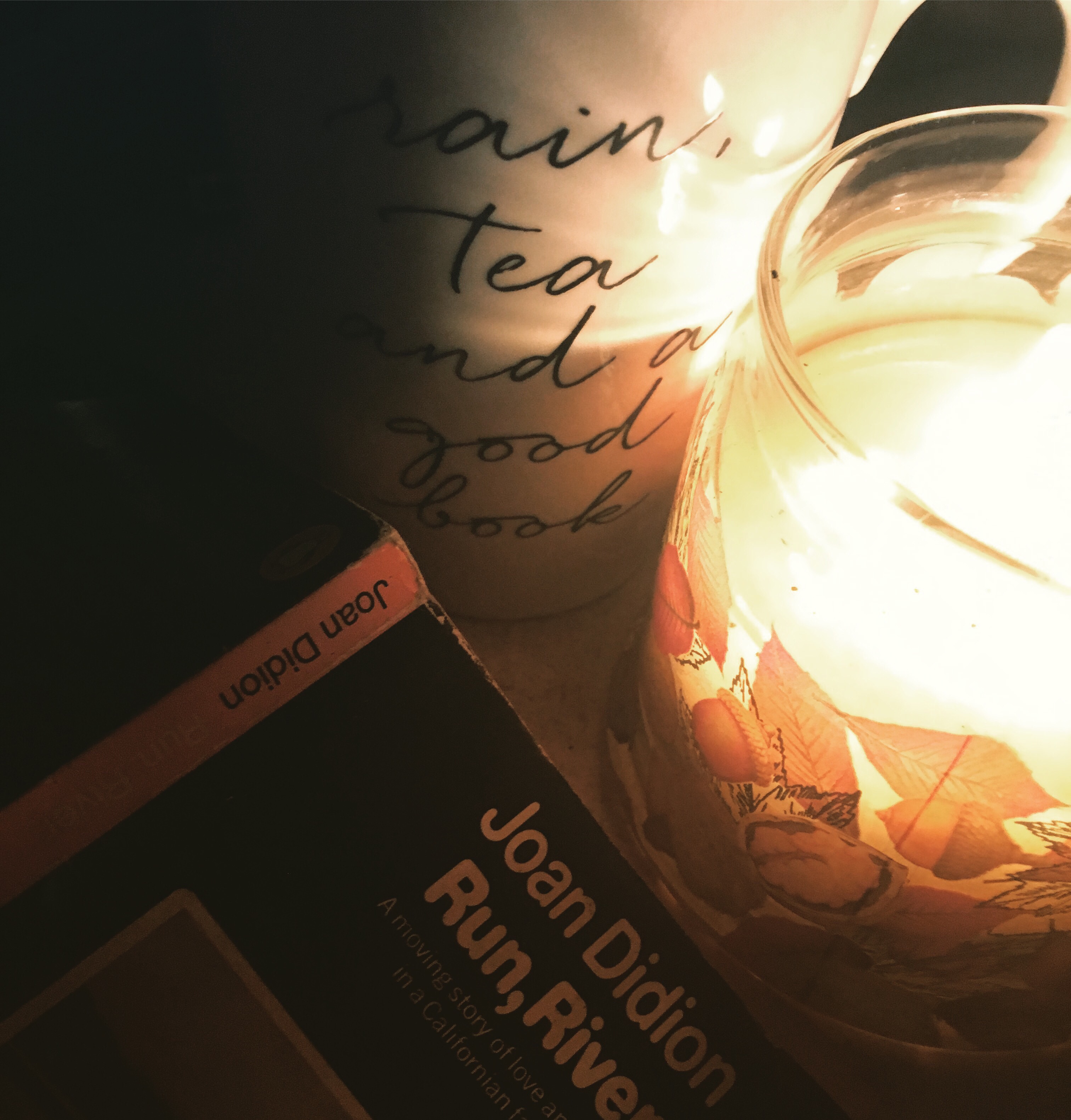
I have spoken about my anxiety and depression in the past, so this is nothing new. Nothing insightful. Simply a confession that I have been picking myself back up. I have learned that even the most powerful medicine and deepest desire cannot keep that darkness completely away. Overwhelming, exhausting, imposing, intrusive. Depression doesn’t “go away” I am not cured. It will always be there, lurking. Sometimes, though, it steps forward – it reminds me at times when I need the least reminding that it is still a part of me and beckons me to curl up under a heavy blanket and let it fog my brain over. In the interest of taking control, I made significant changes over the last months. I left environments that caused me pain, I found a peaceful space to rebuild and have found my foundations firming up again. The crumbling is plastered over and has abated. I am mitigating my loss. My lifelines are firm, seeing me slip back, they reached out and pulled me gently back out of the darkness. And tonight, with tea, a hot bath, a sweet candle and my dear, dark Joan Didion, I can feel my depression slip back, and my hope ebb forward once again.
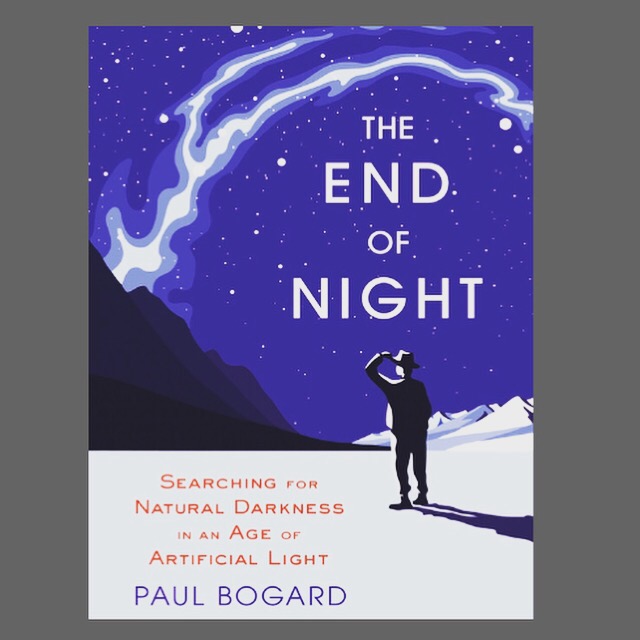
The End of Night is non-fiction look at the effects of light pollution on our world. Bogard numbers the chapters in reverse from 9 to 1, in honour of the Bortle Scale, while searching for pockets left in the Northern Hemisphere where absolute darkness can still be found and where the night sky is still the dizzying wonder of our ancestors. While discussing the effects that losing darkness is having on North Americans, including the rise in sleep issues, the need for sleep aids and the reduction in natural melatonin production, Bogard explains how there are groups, including the Dark Sky Initiative that are helping to teach people what is means to dim the lights. Economically speaking, Bogard discusses the fact that most people do not and will not notice that we are losing the night, until energy costs cause us to turn off the lights. He visits the Las Vegas Strip, he visits Sark, he visits the First Dark Sky City – Flagstaff, AZ – to compare the visibility of the stars and the sky along the Bortle Scale. His excitement and enthusiasm for his topic is evident throughout the pages of the book, and it reminds us to look up, and to remember that seeing that pinky amber glow from the street light outside our bedroom window is the reason that melatonin supplement sales have reached an all time high. (336 pgs)
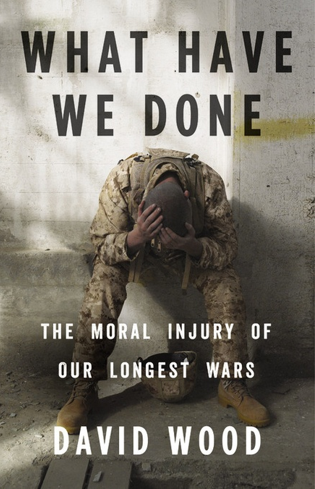
David Wood’s investigative book What Have We Done: The Moral Injury of Our Longest Wars makes use of his experience as a journalist, war veteran and conscientious objector to Vietnam to study the effects of moral injury on combat veterans. Wood posits that PTSD and Moral Injury are two distinct but equally damaging wounds that effect servicemen and women, but that they have been generally rolled together and ineffectively treated. Wood defines PTSD as your body’s physical reaction to stress, and trauma, whilst Moral injury is an injury to your soul – or rather how you feel about something you have done. He argues that the hero worship returning soldiers receive from those at home worsens moral injury, as those suffering from it feel guilt and often self hatred for what they have done. For instance, one soldier storied in the book feels extreme guilt for having killed a child, although the child was armed and being told to shoot him. He believes that killing the child makes him a terrible human being, but within the context of war, it was considered the “right thing” to do. Wood studies the causes, symptoms and government responses to moral injury, along with treatment that is available, vs. What is not discussed. Peppered throughout with personal stories of his own, and those of other combat veterans, What Have We Done is a fine piece of investigative journalism, making the thesis accessible to readers. This is a book designed for anyone interested in psychology, mental health, combat stories, and the government treatment of combat personal. (291 pages)
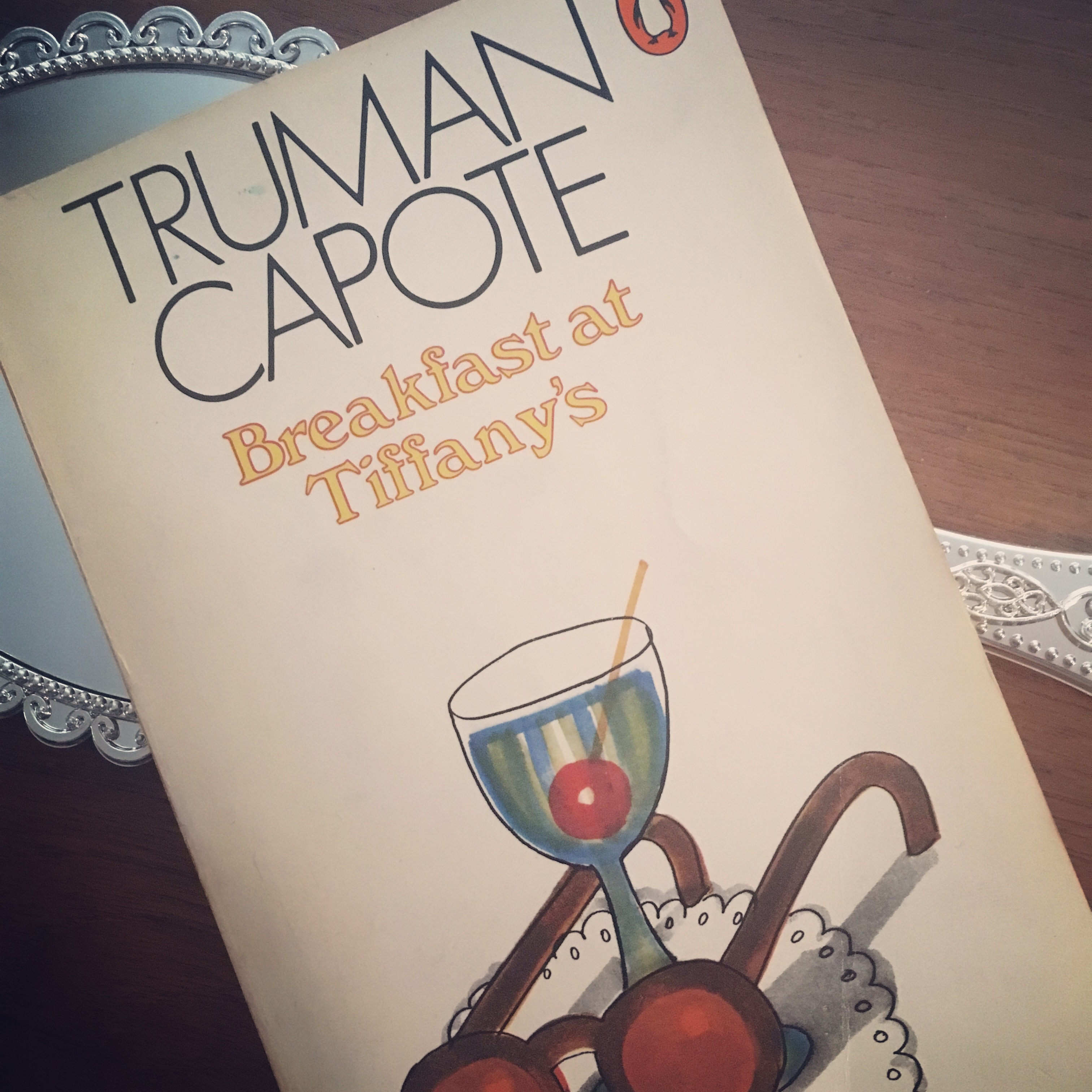
Long before Audrey Hepburn made Holly Golightly a household name, Truman Capote wrote a short story about Miss Holliday Golightly, Travelling. Discussing homosexuality, independence, gender, love, anxiety, depression, and belonging, Breakfast at Tiffany’s was a subversive book. The heroine was endearing and unnerving- a runaway child bride – turned prostitute, living off of “tips” and suffering severe bouts of anxiety, indicating to the narrator, whom she calls Fred, after her beloved brother, that Holly had an awful upbringing. Holly Golightly is an admitted liar and shoplifter, she manipulates her neighbours and friends, and is yet too naive to understand that her trips to visit Sammy Tomato, a gangster in Sing Sing, could get her into trouble. Flitting into and out of people’s lives, Holly Golightly does not belong anywhere, nor does she wish to belong anywhere. She is a character ahead of her time, and in today’s society, she would not need to be a prostitute, just a free spirited woman who is finding herself in the world. I thoroughly enjoyed meeting the Holly Golightly Capote created, as I have always adored Hepburn’s version, but knew that Capote despised it. A very short read, the book contains two other, shorter stories as well. (157 pages)
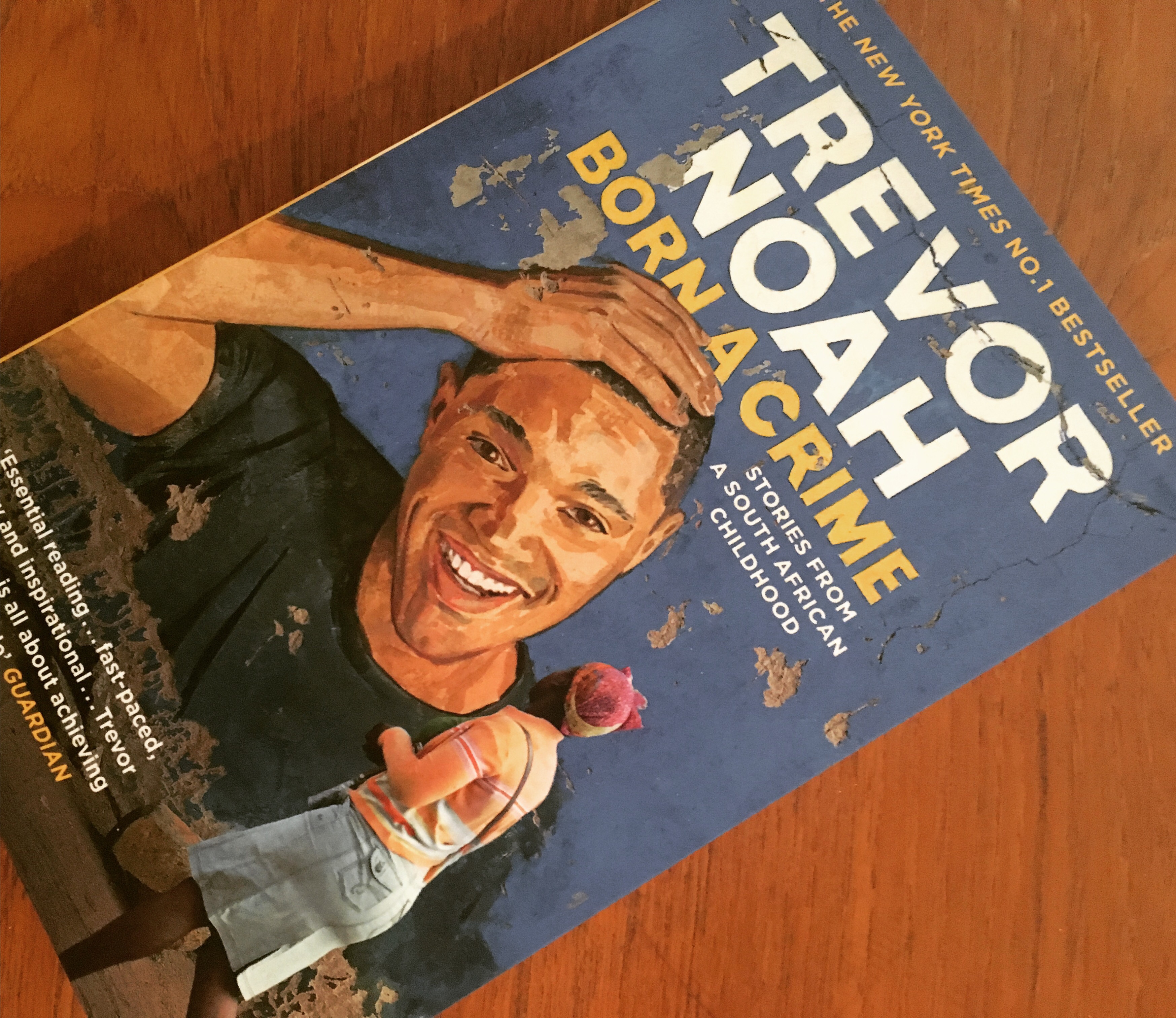
Trevor Noah, now the host of the popular comedy news show The Daily Show, wrote a book of essays of his childhood growing up during and after apartheid in South Africa. The New York Times bestseller features both funny and touching accounts of growing up in a place where violence and racism are a daily occurrence – a fact rather than a potentiality. Noah writes of a strong mother, whom he credits for the life he has now. He writes of living in a country with so many official languages, often neighbours cannot communicate with each other. He writes of growing up as an other, in a country where race is governmentally constructed to incite hate and fear amongst its citizens. Noah’s book is at times funny, sad, hilarious, scary, but always honest. He tells his stories in a self deprecating way, which lends humour to otherwise dark, depressing tales. Fans of Noah, as well as the curious, and those who wish to understand first hand what apartheid felt like, should all read this book. (285 pages)

 Kali J Desautels